
Why Your First UAD 3.6 Report Takes Three Times as Long (And How to Cut That Time)
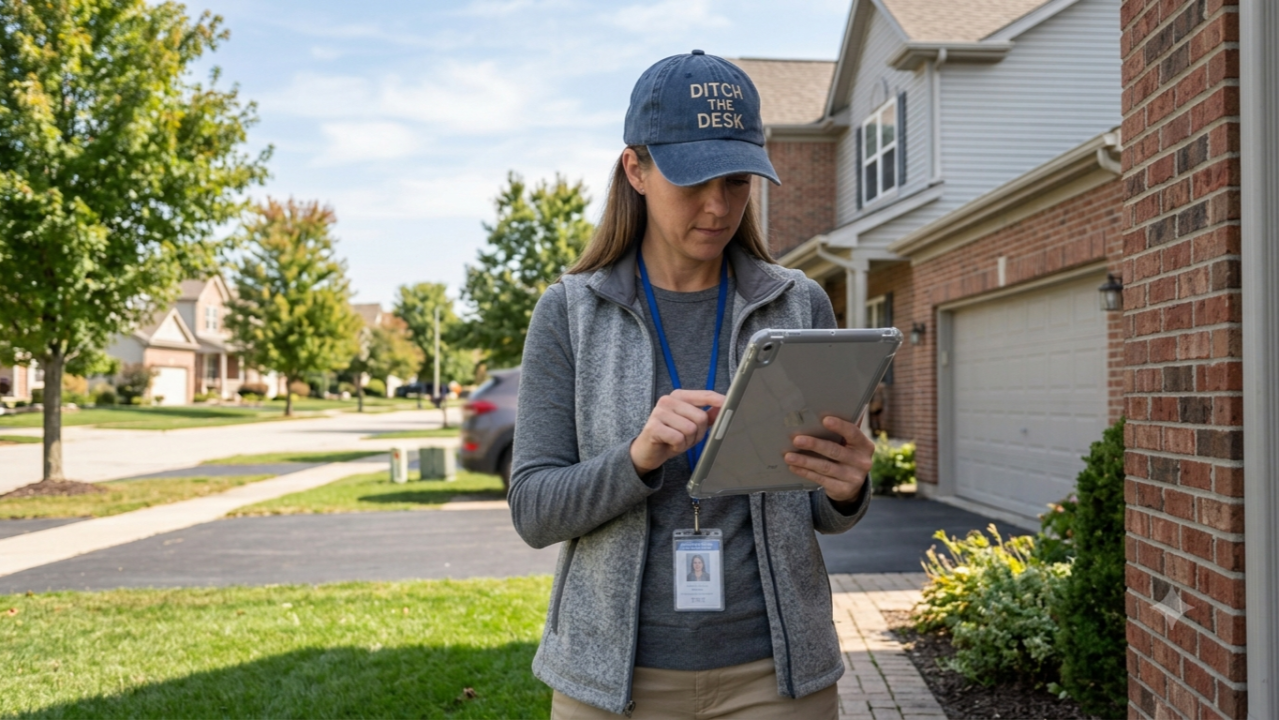
Appraisers completing their first UAD 3.6 assignment are consistently reporting turnaround times up to three times longer than a traditional 1004 — and it isn't because anyone got slower. UAD 3.6 isn't really a new form, it's a new unit of work: under the old standard the report itself was the product, but under 3.6 the underlying structured data is the product, and the report is just one way of presenting it.
That reframing explains most of where the extra time goes. Two decades of muscle memory built around the 1004 doesn't transfer directly. The redesigned URAR asks for far more standardized, discrete data points than the old narrative fields did. Incomplete field notes now mean a callback or a return trip instead of a quick addendum. Unfamiliar validation errors interrupt the writing flow mid-report. And appraisal software across the industry, including vendors beyond apprAIz, is still maturing its own UAD 3.6 implementation — see what to look for in UAD 3.6 software if you're evaluating whose implementation is actually ready.
The real bottleneck
The real bottleneck isn't the writing — it's fixing, after the fact, whatever wasn't captured correctly during the inspection itself. A missing measurement or an unlabeled room photo turns the office into a detective exercise rather than a straightforward write-up.
Five ways to get the time back
The fix is mostly about the field, not the desk: build a structured inspection checklist instead of relying on memory, capture everything digitally rather than on paper, think in terms of the data being collected rather than which page it lands on, expect the first several reports to be genuinely slower while new habits form, and automate the parts of the workflow — imports, photo organization, sketch generation, validation — that don't require professional judgment, so time goes toward analysis instead of re-entry.